
Review · TOKYO
Tokyo Bar Hopping in Asakusa : Sushi Nigiri and Snack Bar Night
Sushi, temple light, and late-night karaoke. This three-hour Asakusa outing combines a hands-on sushi lesson, a walk through quiet Sensoji, drinks on Hoppy Street, and a visit to a small Japanese snack bar. I especially like the access to a professional sushi chef and the chance to finish in a local-style bar with a friendly Mama. The small maximum of six people also gives the evening a personal feel.
The main drawback is cost control. The $88.75 tour price does not cover food or drinks, and the suggested spending comes to roughly ¥16,000 per person on top of that. You should also be comfortable with a late-night social setting, karaoke, and trying your luck with conversation across a language gap.
Key things to know before booking
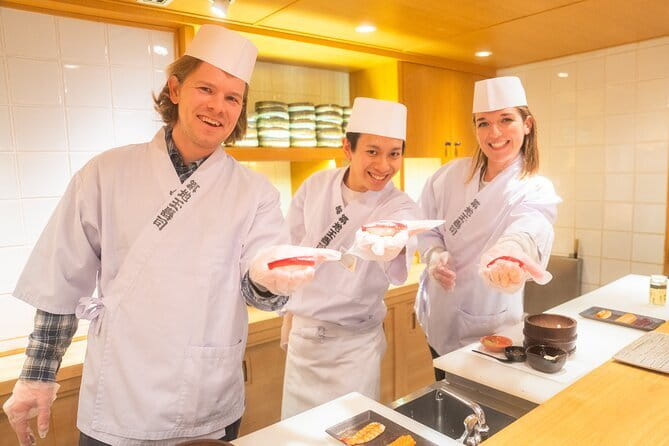
- You make six pieces of nigiri: The sushi lesson includes tuna, salmon, shrimp, and ikura gunkan, plus chef-prepared hand rolls.
- You grind fresh wasabi: This is a small but memorable touch, and it shows you how different fresh wasabi can taste from the familiar green paste.
- You see Sensoji after dark: The temple grounds are quieter and illuminated, offering a calmer side of Asakusa.
- You visit Hoppy Street and a snack bar: The evening moves from casual izakaya culture to a tiny neighborhood-style bar with karaoke.
- The group is limited to six: This matters when entering a small bar and when you need help with menus, ordering, or conversation.
- Bring a flexible food and drink budget: The tour price excludes everything consumed during the night, including the sushi-making meal.
Why this Asakusa night feels different
Asakusa is often treated as a daytime stop. People visit Sensoji, take photos at Kaminarimon, browse Nakamise Street, and move on before dinner. This experience makes the district your evening base instead.
What I like most is the change of pace. You begin with a structured lesson, then spend time walking and looking around, then end in a setting that depends more on conversation than sightseeing. It gives you several versions of Asakusa in one night: food craft, temple culture, casual drinking, and old-school hospitality.
The English-speaking guide is important here. A small Japanese snack bar can be hard to enter without local help, and the same is true when ordering less familiar food at an izakaya. Shingo is named in the tour material and in several comments about the evening, so you can expect the guide to play an active role in keeping the night moving and helping you connect with each stop.
This is not a formal food tour with a long list of tastings. It is a social night with food at its center. You will eat, but you will also make conversation, sing karaoke if you wish, and follow your guide through streets that can feel quite different after dark.
More Bar Hopping Tours in Japan
- Tokyo Bar Hopping Tour in Shinjuku (All-You-Can-Drink + Dinner)
★ 5.0 · 3,587 reviews - Shibuya Meltdown Nightlife Tour: All-You-Can-Drink Bar Hopping
★ 5.0 · 1,058 reviews - Tokyo: Shinjuku Bar Hopping with All-You-Can-Drink & Dinner
★ 4.9 · 440 reviews
Making nigiri at Tsukiji Tama Sushi
The first hour takes place at Tsukiji Tama Sushi, a sushi brand founded in 1924. The lesson is held in a dedicated sushi-making restaurant, with a seasoned artisan showing you how to shape the rice and place the seafood.
You make six pieces in total. The menu includes tuna, salmon, shrimp, and ikura gunkan, with some items requiring more care than others. The gunkan style is the seaweed-wrapped piece often used for loose toppings such as salmon roe. You also receive hand rolls prepared by the chef, so the meal is not limited to the sushi you assemble yourself.
The shrimp is likely to test your patience. One piece of feedback singled it out as the hardest item to make, which makes sense: shrimp is curved, slippery, and less cooperative than a flat slice of fish. I would treat this as part of the fun, not as a test of culinary skill. The point is to learn how much control goes into a piece that looks simple on the plate.
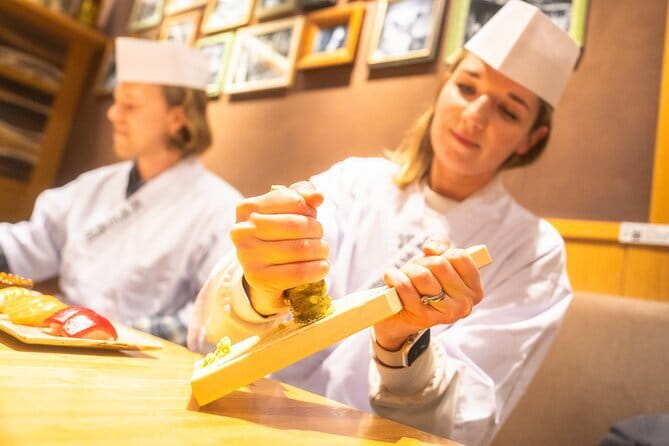
The fresh wasabi portion adds real value. You grind the wasabi yourself and taste it, an experience that helps explain why freshly prepared wasabi has a different aroma and sharper character than the common prepared paste. It is a short activity, but it gives the class a clear sense of place.
The lesson also covers sushi customs and background. You are not just copying hand movements. You get some context for how sushi developed and how an artisan approaches the ingredients. A completion certificate and ukiyo-e coaster provide simple souvenirs, though the practical value is in what you eat and learn during the hour.
The chef may not speak fluent English, but an English-speaking guide is present. That support is useful for detailed instructions, especially when you are working with rice, seafood, and hand pressure. If you have a sushi allergy, tell the provider in advance so the menu can be adjusted.
There is one important money point here. The food and drinks are not included in the advertised tour price, and the additional information suggests allowing about ¥10,000 per person for the sushi-making experience. Confirm the exact payment arrangement when you book, since each group pays separately at each location.
Sensoji after dark and the walk to Hoppy Street
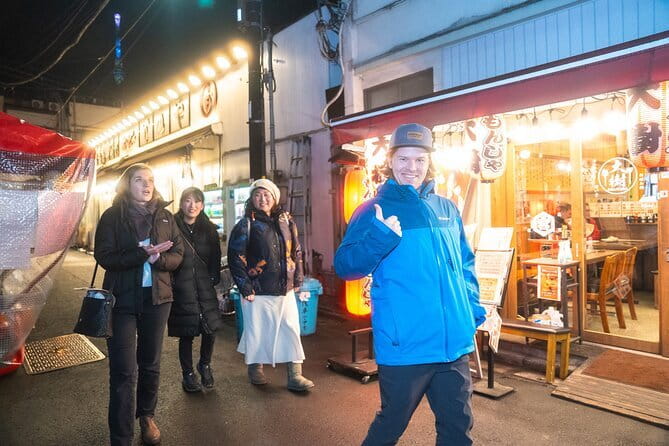
After sushi, the evening moves outdoors. The walk includes Sensoji Temple, one of Tokyo’s best-known sights, but the timing changes the mood. The temple grounds are illuminated at night, and the crowds are generally thinner than during the daytime sightseeing rush.
You should not expect a long temple tour. The listed temple and Hoppy Street portion lasts about 45 minutes, so this is more of a guided evening walk and orientation than a full historical visit. Still, the shorter stop works well after a meal. You get time to look at the buildings, take photographs, and enjoy the change from the bright sushi counter to the quieter temple grounds.
One person specifically enjoyed walking around Sensoji in a kimono with Shingo as guide. If you are already dressed in traditional clothing, the evening setting makes for especially good photographs, although kimono rental is not part of the stated experience.
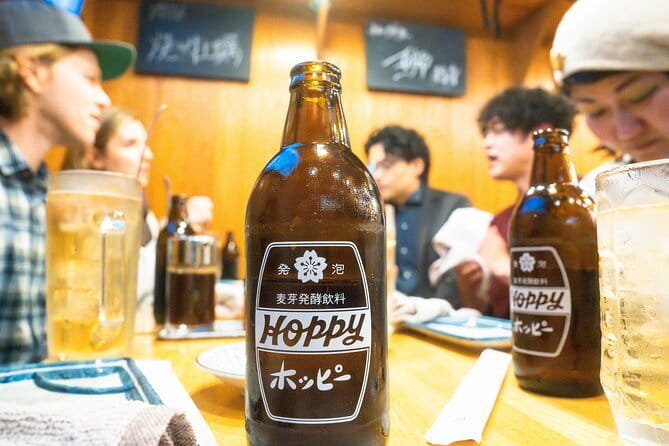
The walk then leads toward Hoppy Street. The street takes its name from Hoppy, a beer-flavored drink that has long been linked with informal Tokyo drinking culture. Its izakayas are casual places where people order small dishes and drinks rather than sit down for a long restaurant meal.
The atmosphere here is livelier than at Sensoji, but the stop is still compact. You have about 45 minutes, and the suggested spending at the izakaya is ¥2,000 to ¥3,000 per person. That amount is separate from the tour fee and can vary with your order.
This is a good place to ask your guide about local food. The experience may include rare or less familiar Japanese dishes, according to the supplied comments, so do not assume the menu will look like a standard tourist izakaya spread. If you are a cautious eater, tell the guide what you can and cannot eat before ordering.
The short time here also means you may need to choose. You might focus on one drink and a couple of dishes, or spend more time talking and less time eating. The guide can help, but this is not a stop where you will sample every corner of Hoppy Street.
The small-bar welcome at Lounge Aries
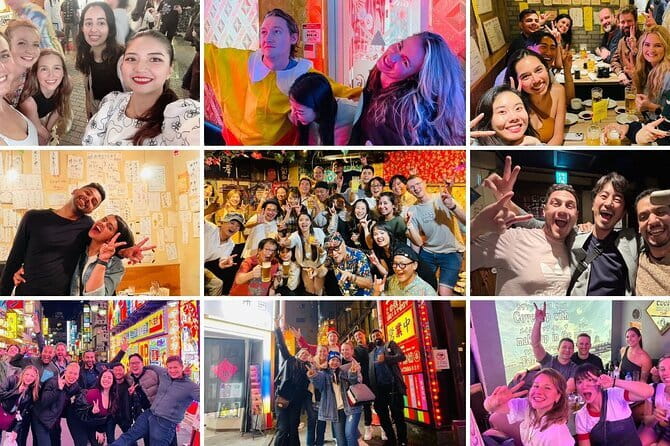
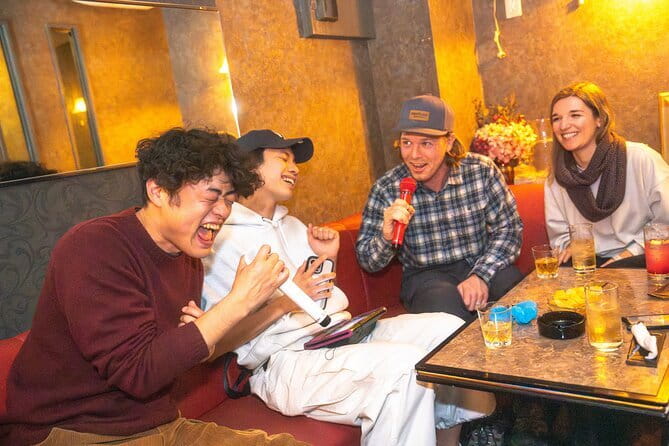
The final stop is Lounge Aries, described as a Japanese snack bar. The name can confuse English speakers. A snack bar is not mainly a place for quick snacks. It is usually a small bar where a Mama hosts customers, pours drinks, chats with regulars, and helps create a familiar neighborhood mood.
This is the most unusual part of the night. Many visitors can enter a large bar or izakaya without help. A very small snack bar is different. The room may be intimate, the regulars may already know one another, and the social rules may be less obvious if you are new to Japan. Having a guide with you removes much of that uncertainty.
You can talk with local customers, order drinks, and join karaoke. You do not have to perform, but you should be ready for the possibility that singing becomes part of the evening. If the thought of singing in front of a small group makes you uncomfortable, you can still take part by listening and chatting.
The comments about this stop place strong emphasis on the welcome from the Mama and the chance to speak with locals. That is the feature I would value most. The bar offers a glimpse of Japanese nightlife that is difficult to arrange from a hotel website or a standard sightseeing pass.
You should budget about ¥4,000 at the snack bar. Again, this is not included in the $88.75 booking price. Because each group pays separately at each location, carrying a payment method that works in Japan is sensible, and you should keep track of your own food and drink orders.
The snack bar is also where the group limit matters most. Six people can fit into a small social setting without taking over the room. A much larger group would change the mood and make conversation with regulars less natural.
More Bar Hopping Tours in Tokyo
- Tokyo: Shinjuku Local Bar Hopping Walking Tour
★ 5.0 · 186 reviews - Shibuya Meltdown Night Tour: All-You-Can-Drink Bar Hopping
★ 4.8 · 183 reviews - Shinjuku Izakaya and Golden Gai Bar Hopping Tour
★ 5.0 · 147 reviews - Tokyo: Shinjuku Bar Hopping & Night Walking Tour
★ 4.6 · 137 reviews
What the $88.75 price really covers
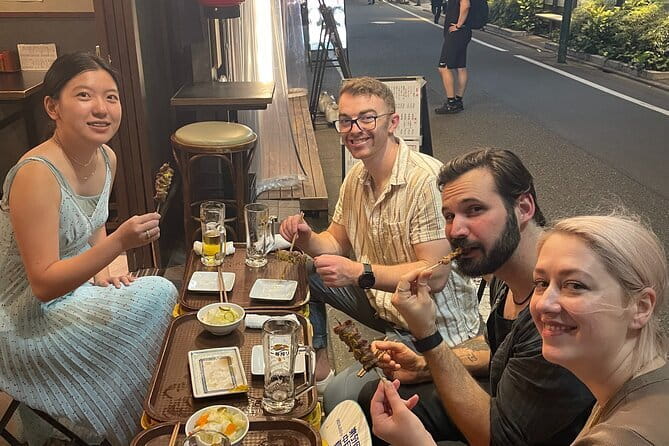
The headline price covers the guide, the planned route, the sushi instruction, and the organization needed to enter several different places in one night. It also includes photos taken by the guide during the tour, which can be useful if you want pictures of the sushi lesson or group moments without constantly using your own phone.
It does not cover food or drinks. The suggested extra costs are:
- About ¥10,000 per person for sushi making
- About ¥2,000 to ¥3,000 at the Hoppy Street izakaya
- About ¥4,000 at the snack bar
That adds roughly ¥16,000 to ¥17,000 per person, depending on your orders. At the time of writing, exchange rates vary, so use the yen figures as your spending guide rather than assuming the dollar equivalent will stay fixed.
I see the value in the tour if you want access and interpretation rather than simply a cheap night out. You are paying for the guide’s local connections, English support, a small group, and a carefully linked evening. If you only want sushi and drinks, you can spend less by choosing restaurants on your own. You will not necessarily get the same help entering a snack bar or speaking with regulars.
The value is strongest for first-time visitors who want an organized introduction to Japanese nightlife. It is less attractive for confident repeat visitors who already know Asakusa, speak Japanese, and prefer to make their own restaurant choices.
Timing, meeting point, and getting home
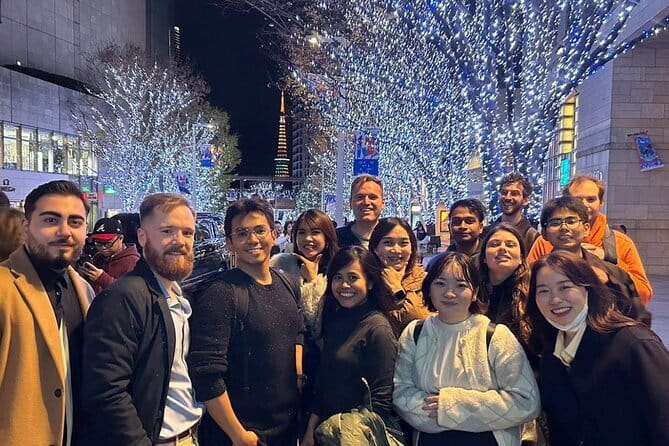
The meeting point is Asakusa Police Station Hanakawado Police Box at 1-chōme-2-1 Hanakawado. The tour ends at Tsukuba Express Asakusa Station, near the Asakusa Station South Bicycle Parking area at 1-chōme-25-15 Asakusa. The guide takes you to the station at the end, which is helpful after drinks and a long evening.
The stated duration is about three hours. The stops account for roughly two and a half hours, leaving time for walking between locations and moving from one part of Asakusa to another. Wear shoes you can walk in, and avoid planning a tight dinner reservation immediately afterward.
The group maximum is six people. Most people can take part, and the route is near public transportation. The information does not promise private transport, so you should expect to walk between the stops and use the station for onward travel.
The tour provides a mobile ticket and confirmation at booking. Free cancellation is available if you cancel at least 24 hours before the local start time. Changes or cancellations inside that 24-hour window are not accepted for a refund.
Who will enjoy this night most
I would recommend this experience to couples, small groups, and families with older children who enjoy food activities and social settings. The sushi lesson gives the night a clear starting point, while the temple walk provides a quieter break before the bars.
It also suits solo visitors who want company. A six-person group is small enough for conversation, and the guide can help you meet people without forcing you to navigate every interaction alone.
You should think twice if you do not drink, dislike karaoke, have serious food restrictions, or prefer quiet sightseeing. The experience is built around bars, and all food and drinks are extra. Infants cannot take part in the sushi-making experience, and anyone with a sushi allergy should notify the provider ahead of time.
The bar portion is also not a polished performance. The charm comes from the ordinary setting, the small room, and the possibility of speaking with regulars. That means the atmosphere may depend partly on who is present that night.
Should you book Tokyo Bar Hopping in Asakusa?
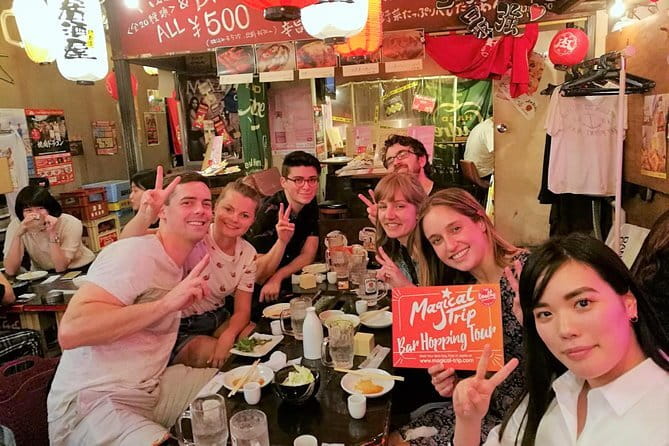
Book it if you want more than a standard dinner. The combination of making nigiri, tasting freshly ground wasabi, seeing Sensoji by night, ordering at Hoppy Street, and ending with karaoke creates a varied evening that is hard to arrange on your own.
The strongest reasons to go are the sushi instruction and the snack bar access. Shingo’s role, the small group, and the English support make the social side easier, especially if you are new to Japan.
Skip it if the extra ¥16,000 or so for food and drinks strains your budget, or if you would rather choose your own restaurants. For everyone else, this is a lively and personal way to see Asakusa after the daytime crowds have faded. Just arrive ready to eat, walk, chat, and perhaps sing one song.
FAQ
How long does the Asakusa night tour last?
The experience lasts approximately three hours. The sushi lesson is about one hour, the Sensoji and Hoppy Street portion is about 45 minutes, and the snack bar visit is about 45 minutes, with additional time for walking between stops.
What food do I make during the sushi lesson?
You make six pieces of nigiri using tuna, salmon, shrimp, and ikura gunkan. The chef also prepares hand rolls for you to sample.
Are food and drinks included in the $88.75 price?
No. Food and drinks are not included. The suggested additional spending is about ¥10,000 for the sushi-making experience, ¥2,000 to ¥3,000 at the Hoppy Street izakaya, and ¥4,000 at the snack bar.
Can the sushi menu be adjusted for allergies?
Yes. If you have a sushi allergy, you should inform the provider in advance so the menu can be adjusted.
How many people can join the tour?
The group has a maximum of six participants.
Where does the tour start and finish?
It starts at Asakusa Police Station Hanakawado Police Box, located at 1-chōme-2-1 Hanakawado. It finishes at Tsukuba Express Asakusa Station, near 1-chōme-25-15 Asakusa.
What is the cancellation policy?
You can cancel at least 24 hours before the experience start time for a full refund. Cancellations or changes made less than 24 hours before the start time are not refunded or accepted.
More Evening Tours in Tokyo
- Tokyo: Shinjuku Bar Hopping & Night Walking Tour
★ 5.0 · 53 reviews - Authentic Japanese Karaoke Bar Hopping in Tokyo Night
★ 5.0 · 22 reviews - Tokyo: Shinjuku Bar Hopping & Karaoke Night Tour
★ 4.9 · 19 reviews - Tokyo: Shinjuku Golden Gai Bar Hopping Night Tour
★ 4.4 · 8 reviews
Just added around Tokyo
- Tokyo Shinjuku Bar Hopping –Wagyu , Ramen & 7 Dishes★ 5.0 · 13 reviews
- Shinjuku Underground Nightlife Tour: Izakaya Food & Bar Hopping★ 5.0 · 11 reviews
- Private Tokyo Local Food and Drink Tour with a Bar Hopping Master★ 5.0 · 22 reviews
- Akabane pub adventure night★ 5.0 · 5 reviews
- Tokyo Shinjuku Japanese Local Bar Hopping and Food Tour★ 5.0 · 4 reviews
- Shibuya: Local Food & Culture Walk in Sangenjaya District★ 5.0 · 5 reviews
- Shinjuku Golden-gai and Kabuki-cho Bar Hopping with Master Guide★ 5.0 · 3 reviews
- Bar Hopping Tour with a local Guide in Shinjuku★ 5.0 · 21 reviews
Bar Hopping Tours, compared.
Tokyo Bar Hopping Tour in Shinjuku (All-You-Can-Drink + Dinner)
Read our review →
Shibuya Meltdown Nightlife Tour: All-You-Can-Drink Bar Hopping
Read our review →
Osaka Bar Hopping Night Walking Tour in Namba (3 bars, 6 tastes)
Read our review →
Shinjuku Bar Hopping with All-You-Can-Drink & Dinner
Read our review →

Shibuya Meltdown Night Tour: All-You-Can-Drink Bar Hopping
Read our review →Browse the lists this crawl appears in