
Review · JAPAN
Tokyo:Japanese pub Journey with University Students
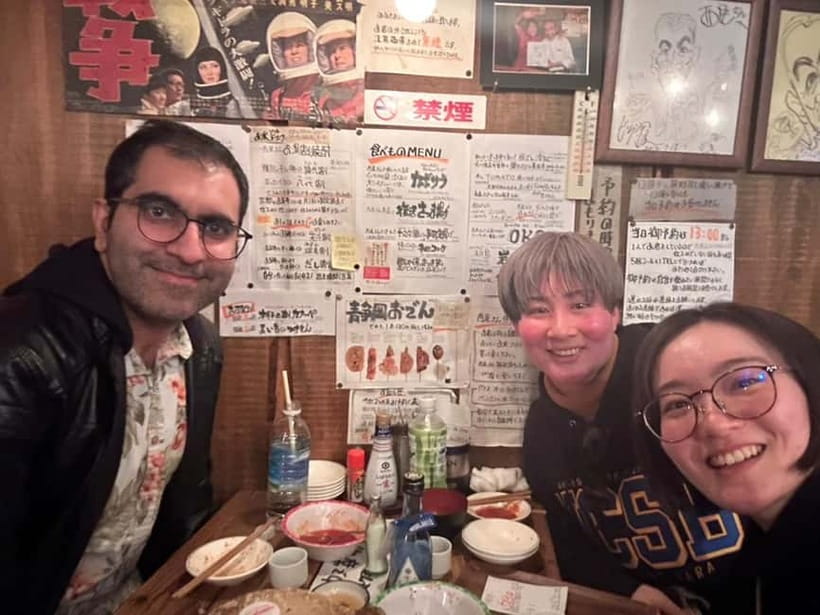
Shinjuku after dark has a social side worth meeting. This two-hour izakaya experience pairs you with Japanese university students for local food, drinks, and conversation about present-day life in Japan. I especially like the small four-person group, which gives you a better chance to talk rather than simply follow a guide, and the fact that the restaurant bill, food, and selected drinks are included in the $140 price.
The main consideration is the short running time. Two hours is enough for a focused introduction to izakaya culture, but not enough for a long pub crawl or several neighborhoods. You should also know that the experience is only for people aged 20 and over, and the food is recommended by the hosts, so tell them about dislikes when you meet.
Key points to know before booking
- Two university students lead the experience, offering a direct look at Japanese student life and current ideas.
- The group is limited to four participants, making conversation the main attraction.
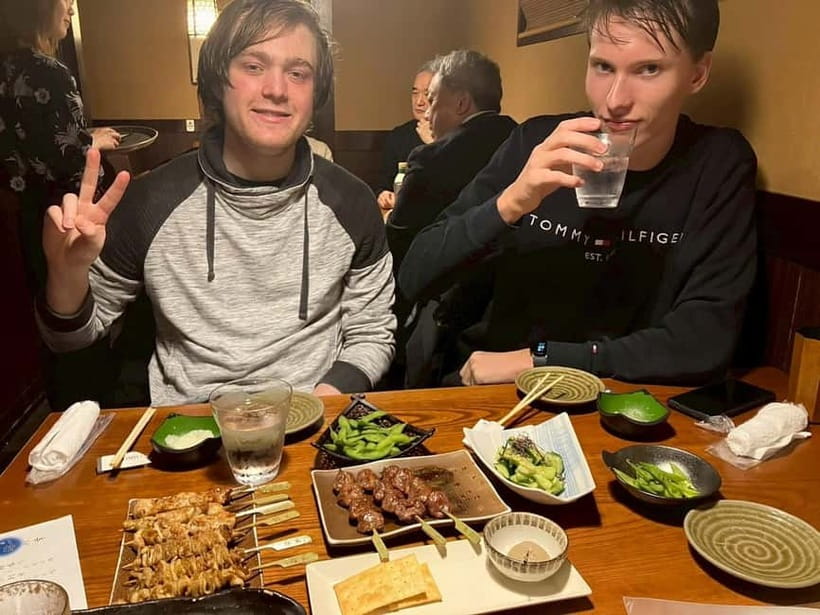
- Food and the restaurant bill are included, with dishes such as yakitori, gyoza, karaage, dashi rolled eggs, cold tofu, and pickled vegetables.
- Beer, Japanese sake, and plum liqueur are included, but the experience is also suitable for non-drinkers.
- The tour begins and ends at Shinjuku Station East Exit Police Box, making the meeting plan simple.
- You visit a local izakaya rather than a fixed tourist attraction, and the restaurant may vary from one tour to another.
What an izakaya visit tells you about Japan
An izakaya is a Japanese-style pub where small dishes arrive alongside drinks. It is less about ordering one large plate and more about sharing several tastes across the table. That makes the meal social by design.
You might begin with edamame, then move to yakitori, gyoza, karaage, potato salad, tamagoyaki, and oshinko, the Japanese term for pickled vegetables such as cucumbers and carrots. These are familiar izakaya choices, but the restaurant may also offer house dishes that are only found there.
I like this format because it gives you a useful picture of everyday dining in Japan. You are not simply being shown a famous dish. You are seeing how food, conversation, and drinks work together in a casual pub setting.
The tour also explains why izakaya matter socially. They are places where people relax after work, meet friends, and build closer connections. The point is not formal dining. You order, share, talk, and let the evening take its own shape.
More Pub Crawls in Tokyo:
- Tokyo Bar Hopping Tour in Shinjuku (All-You-Can-Drink + Dinner)
★ 5.0 · 3,587 reviews - Shibuya Meltdown Nightlife Tour: All-You-Can-Drink Bar Hopping
★ 5.0 · 1,058 reviews - Tokyo: Pub Crawl and Bar Tour
★ 4.5 · 951 reviews
Meeting the students at Shinjuku Station
The meeting point is Shinjuku Police Station, Shinjuku Station East Exit Police Box, written in Japanese as 新宿警察署 新宿駅東口交番. Two university students wait there for you, and the activity returns to the same place at the end.
That fixed start and finish helps. Shinjuku Station can feel confusing, so you should allow enough time to find the East Exit and identify the police box. The meeting point is also useful if you are planning something before or after the tour, since you do not need to arrange a separate return location.
The available information does not specify transport between the station and the restaurant, so you should follow the students’ instructions rather than assume a particular route. The tour takes place in Shinjuku, but the specific izakaya is not named in advance.
This is a small-group experience with a maximum of four participants. That number matters. With only two students leading the conversation, you are more likely to ask questions and hear thoughtful answers. A larger group could turn the experience into a lecture. Here, the goal is clearly personal exchange.
Eating your way through classic pub dishes
The included meal is built around typical izakaya food. Expect items such as deep-fried dishes, dashi rolled eggs, and cold tofu, along with other standard pub favorites.
Karaage gives you Japanese-style fried chicken. Gyoza brings pan-fried dumplings. Yakitori usually refers to grilled chicken pieces served on skewers. Tamagoyaki is a rolled egg dish with a soft, layered texture, while cold tofu offers a plain and refreshing contrast.
Oshinko adds something salty and crisp. Edamame works well as a simple snack with drinks. Potato salad may sound familiar, but Japanese izakaya versions often fit the shared-table setting rather than serving as a full Western-style side dish.
You are not promised a completely fixed menu. The hosts recommend the food, and you should tell them about anything you do not like when you meet. That is practical advice, especially if you have strong preferences or want to avoid particular ingredients.
The arrangement gives you variety without requiring you to study a menu full of unfamiliar Japanese terms. At the same time, you should not book this expecting to choose every dish yourself. The meal is part of the guided experience, and the students decide what best introduces you to the restaurant.
Drinks for drinkers and non-drinkers
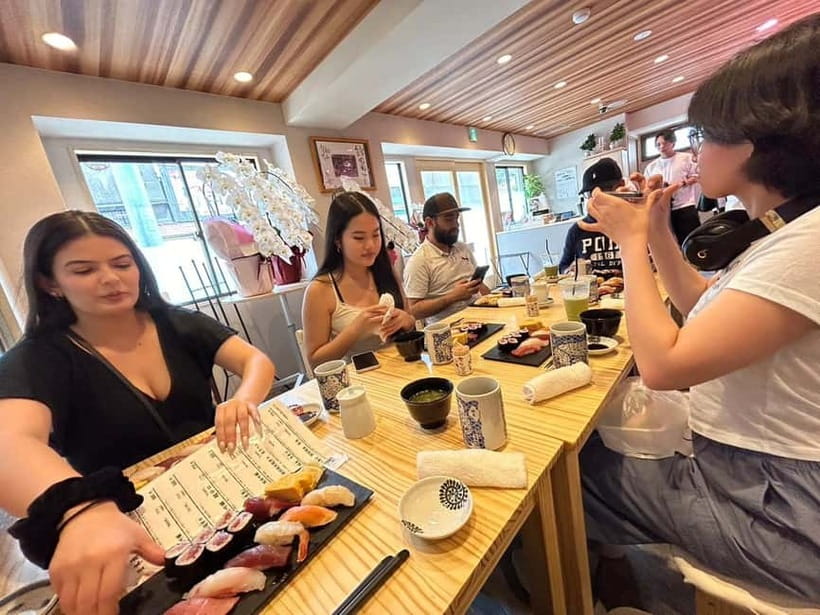
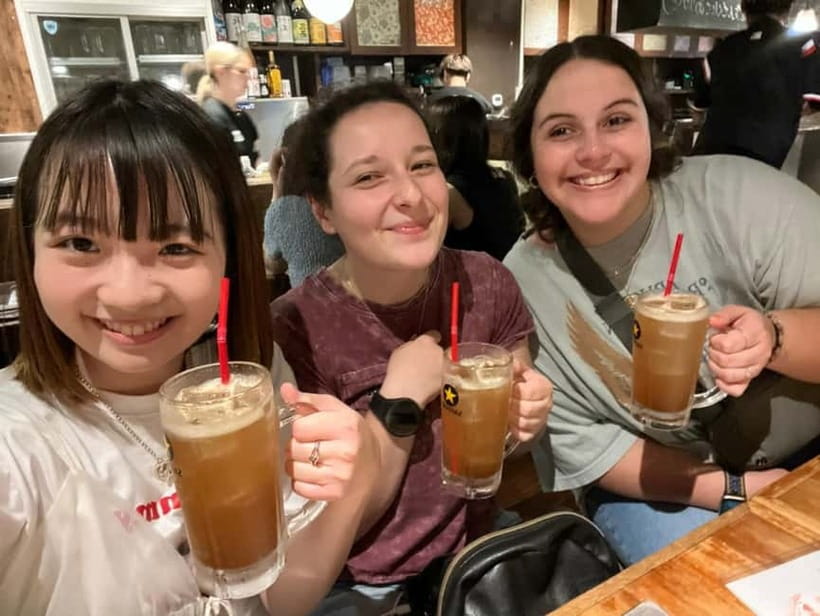
The included beverages are beer, Japanese sake, and plum liqueur. These choices cover three familiar parts of izakaya drinking culture, from a common pub beer to sake and a sweeter fruit-based drink.
The experience is also described as suitable for non-drinkers. That is important because the social side does not depend entirely on alcohol. You can take part in the meal and conversation even if you do not drink.
Still, alcohol is part of the experience, and the included price covers alcoholic drinks. If you do not want them, make your preference clear at the start. The available information does not specify replacement drinks or a lower price for non-drinkers, so do not assume either.
I like the way the tour treats drinking as one part of the evening rather than the whole point. Izakaya culture is about shared food and conversation as much as what is in the glass.
Same city, a different round:
- Japanese Speaking Experience Meet the locals Friend Cafe Shibuya
★ 5.0 · 518 reviews - Tokyo: Shinjuku Bar Hopping with All-You-Can-Drink & Dinner
★ 4.9 · 440 reviews - 3-Hour Tokyo Pub Crawl Nightlife Welcome Guided Tour in Shibuya
★ 5.0 · 209 reviews - Tokyo: Shinjuku Local Bar Hopping Walking Tour
★ 5.0 · 186 reviews
Conversation with Japanese university students
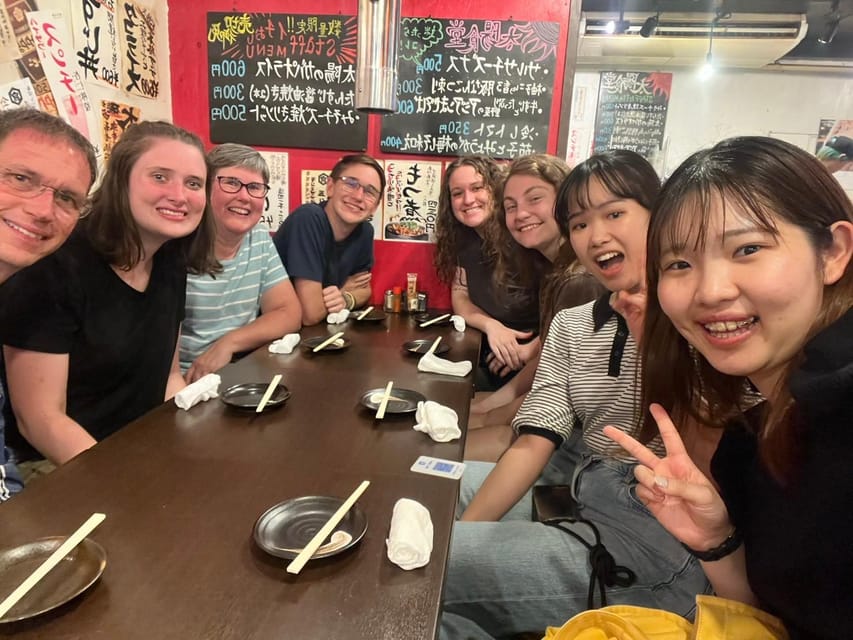
The students are English-speaking guides, and the tour is offered in English and Japanese. Their role is more personal than that of a standard sightseeing guide. They explain izakaya customs while also talking about their own ideas and daily life as university students.
A particularly strong reason to choose this experience is the chance to ask questions about the current generation in Japan. You might want to understand student life, social habits, food preferences, or how young people see their country. The format gives you a natural place to ask.
The available feedback highlights this part of the experience. One booking was made specifically to learn about university student life and what it is like for the current generation in Japan. The students were described as respectful and delightful, and the food introductions included dishes the participants would not have chosen alone.
That detail points to the tour’s best quality. You are not only eating local food. You are getting help from young locals who can explain why a dish matters, how it is eaten, or what they personally like.
Do keep your expectations realistic. Two university students cannot represent all of Japan, and a two-hour meeting cannot answer every question about modern Japanese society. Their opinions are personal, which is exactly what makes the conversation useful, but you should treat it as one window into Japan rather than the final word.
A local restaurant instead of a fixed sightseeing stop
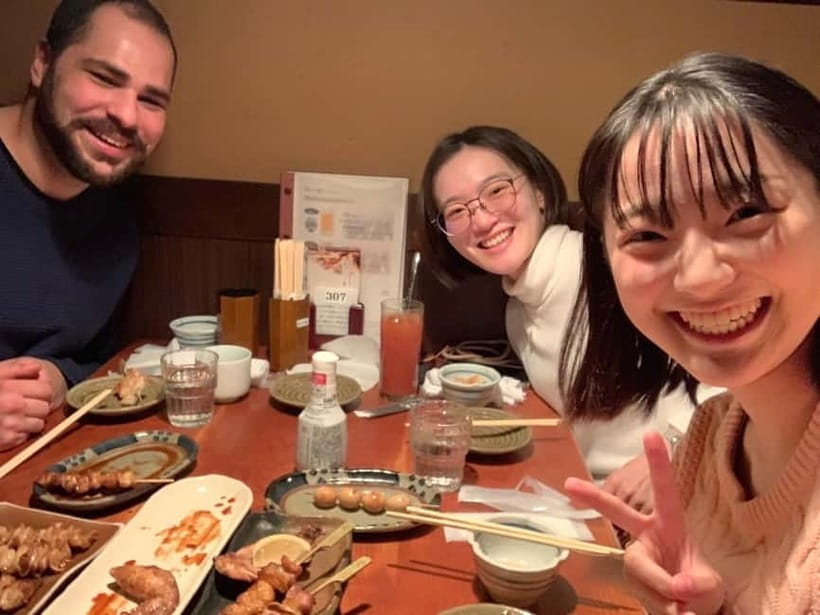
The tour aims to use local izakaya rather than tourist-focused venues. The exact restaurant may change, and the experience promises different encounters instead of repeating the same stop every time.
That uncertainty can work in your favor. You may discover a small place with its own original dishes, rather than entering a restaurant chosen simply because it is famous online. The hosts can help you understand what to order and how the meal fits into local pub culture.
The trade-off is predictability. You do not receive a named restaurant, a guaranteed menu, or a detailed list of every dish before booking. If you need a specific cuisine, a fixed venue, or complete control over ingredients, this may feel too open-ended.
For most people choosing this tour, the changing location is part of the appeal. You are paying for contact with local life and student conversation, not only for a restaurant reservation.
What the $140 price includes
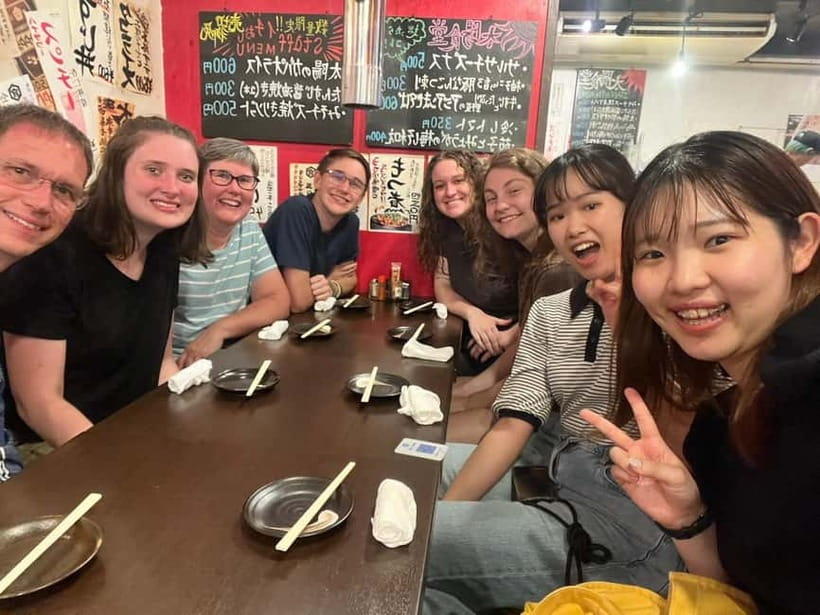
At $140 per person, this is not a cheap meal. The value depends on how much you want the social and cultural side of the experience.
The price includes the guide, the izakaya meal, selected alcoholic drinks, and your restaurant bill. You are also paying for a private-style setting with no more than four participants and for two university students who can explain the food and answer questions in English or Japanese.
If you only want to eat inexpensive pub dishes, you could spend less by visiting an izakaya on your own. But doing that would not include the student hosts, the explanation of local customs, or the organized introduction to dishes you might otherwise overlook.
I see the price as reasonable for someone who values conversation and help with local dining customs. It is less attractive for a confident independent diner who already understands izakaya menus and does not care about meeting local students.
Because the restaurant bill is included, you do not have to calculate separate food and drink costs during the meal. That makes the final expense easier to understand, though the experience does not provide a full list of portions or drink limits in advance.
Timing, accessibility, and practical details
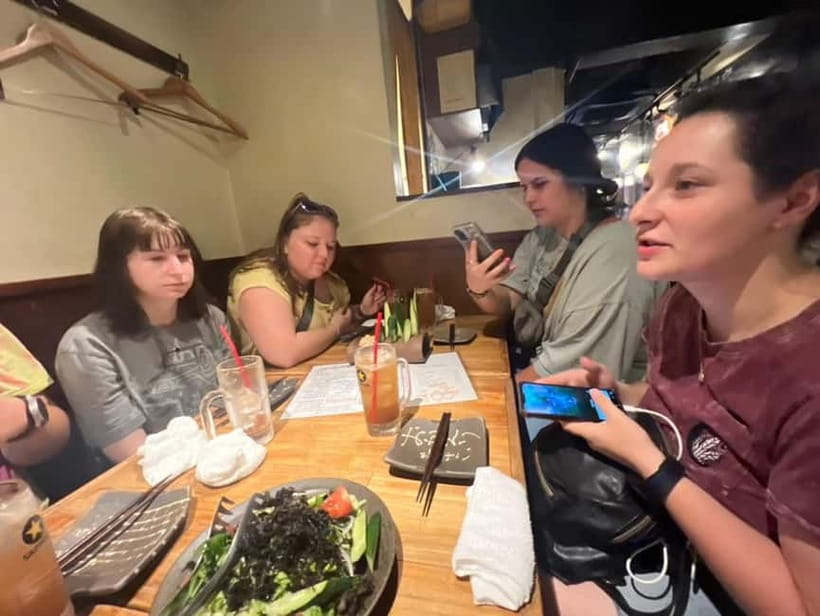
The activity lasts two hours. That is long enough for an introduction to izakaya culture and a shared meal, but you should not expect an entire evening of drinking or several restaurant stops.
The start time varies, so you need to check availability for the date you want. The activity begins and ends at the same Shinjuku meeting point.
A passport is required. The tour is wheelchair accessible, which makes it more usable for people who need step-free access, though the specific restaurant layout is not provided.
Free cancellation is available up to 24 hours before the activity for a full refund. You can also reserve and pay later, which helps if your Tokyo schedule is still changing.
The tour is not suitable for anyone under 20. That age rule applies even though the food and conversation could appeal to younger visitors.
Who will enjoy this Shinjuku experience most
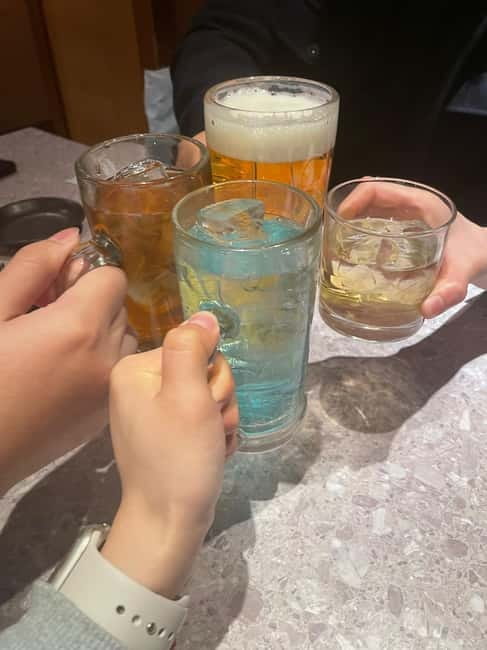
I would recommend this for you if you want more than a meal and prefer asking questions to taking photographs. It suits solo visitors, couples, and small groups who enjoy meeting locals and trying food with some guidance.
It is especially useful if you are curious about university life in Japan. The students’ age and perspective are central to the experience, so people interested in present-day culture will get more from it than visitors seeking a formal history lesson.
It also works well for cautious eaters who want to try Japanese pub food but do not know where to begin. The students recommend dishes and can help explain the choices.
Non-drinkers can take part, but you should be comfortable sharing a setting where beer, sake, and plum liqueur are included. If you want a quiet meal, a private table, or a carefully controlled menu, this may not be the best match.
The main strengths and limits
The strongest feature is the human connection. Two English-speaking university students give the evening a personal focus, and the four-person limit keeps the conversation manageable.
The second strength is the food range. You can sample familiar izakaya staples and possibly try a restaurant-specific dish that you would have missed alone. Having the bill included also removes some stress from a shared meal.
The limits are clear. The tour is short, the restaurant is not named ahead of time, and the menu is recommended rather than fully chosen by you. The $140 cost is high for anyone measuring value only by food and drink.
I would also avoid treating the student guides as official voices for every part of Japanese society. Their opinions are personal. That is a benefit when you want a real conversation, but it is worth remembering when you draw larger conclusions.
Should you book this izakaya tour?
Book it if your priority is conversation, local food, and a closer look at young Japanese life. The small group, included bill, English-speaking student hosts, and changing local izakaya give the experience a personal quality that a standard restaurant visit cannot provide.
Skip it if you want a long night out, a fixed restaurant, full menu control, or the lowest possible dining cost. Two hours goes quickly, and the $140 price makes sense mainly when you value the cultural exchange as much as the meal.
For the right person, this is a friendly way to start understanding izakaya culture without having to decode the whole experience alone.
FAQ
Where does the izakaya tour begin?
It begins at Shinjuku Police Station, Shinjuku Station East Exit Police Box, shown in Japanese as 新宿警察署 新宿駅東口交番.
Where does the activity end?
The activity ends back at the same meeting point at Shinjuku Station East Exit Police Box.
How long does the experience last?
The tour lasts two hours. Starting times vary, so you need to check availability for your preferred date.
What food is included?
Included food consists of izakaya dishes such as deep-fried food, dashi rolled eggs, and cold tofu. Other possible dishes include edamame, yakitori, gyoza, karaage, potato salad, tamagoyaki, and oshinko.
Are drinks included?
Yes. Included drinks are beer, Japanese sake, and plum liqueur. The experience is also suitable for people who do not drink alcohol.
How many people can join?
The tour is limited to four participants and includes two university students as guides.
Is the tour suitable for people under 20?
No. The activity is not suitable for people under 20. A passport is required, and the tour is wheelchair accessible.
Just added around Tokyo
- Tokyo Shinjuku Bar Hopping –Wagyu , Ramen & 7 Dishes★ 5.0 · 13 reviews
- Shinjuku Underground Nightlife Tour: Izakaya Food & Bar Hopping★ 5.0 · 11 reviews
- Private Tokyo Local Food and Drink Tour with a Bar Hopping Master★ 5.0 · 22 reviews
- Akabane pub adventure night★ 5.0 · 5 reviews
- Tokyo Shinjuku Japanese Local Bar Hopping and Food Tour★ 5.0 · 4 reviews
- Shibuya: Local Food & Culture Walk in Sangenjaya District★ 5.0 · 5 reviews
- Shinjuku Golden-gai and Kabuki-cho Bar Hopping with Master Guide★ 5.0 · 3 reviews
- Bar Hopping Tour with a local Guide in Shinjuku★ 5.0 · 21 reviews
Pub Crawls, compared.

Entry ticket to Ice Pub Prague with Nightclub Option
Read our review →
Tokyo Bar Hopping Tour in Shinjuku (All-You-Can-Drink + Dinner)
Read our review →
Pub Crawl with Unlimited Drinks & 5-floor Club Entry
Read our review →


Red Light District Pub Crawl with Unlimited Shots
Read our review →Browse the lists this crawl appears in